 PLATE + FIT
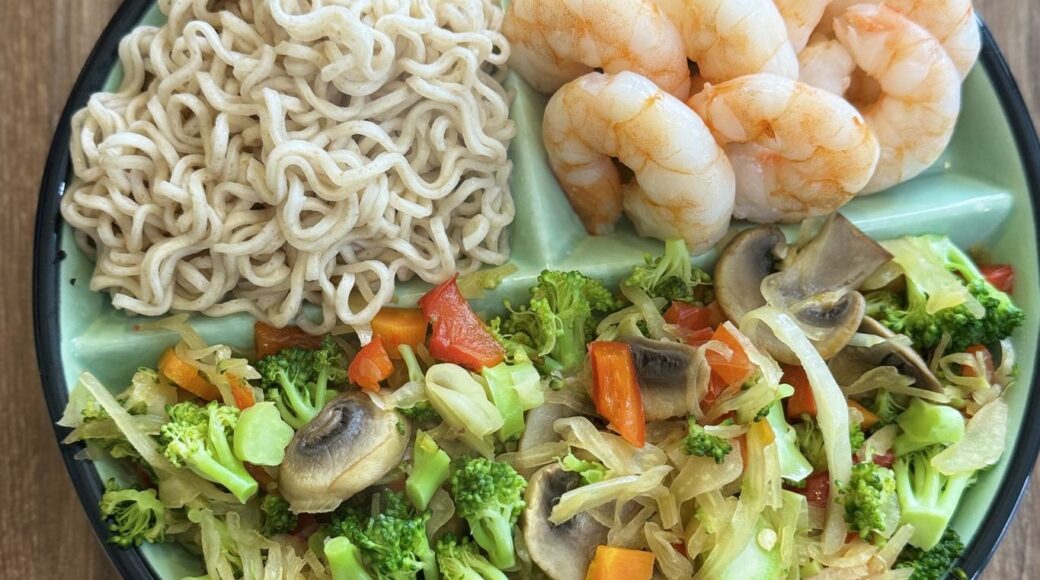
If you are looking for what helps with emotional eating, start with this: the urge is real, it is common, and it responds to a handful of small, repeatable moves rather than to willpower. Emotional eating means reaching for food because of a feeling (stress, boredom, loneliness, tiredness) instead of physical hunger. This guide covers: how to tell the two apart in about 90 seconds, a 10-minute pause that takes the edge off, how to set up your meals so cravings have less to work with, and where a portion-control plate fits in. No food rules, no guilt, and no medical claims. If eating feels out of your control most days, your GP, a registered dietitian or a mental-health professional is the right next call.
Emotional Eating vs. Physical Hunger: How to Tell the Difference
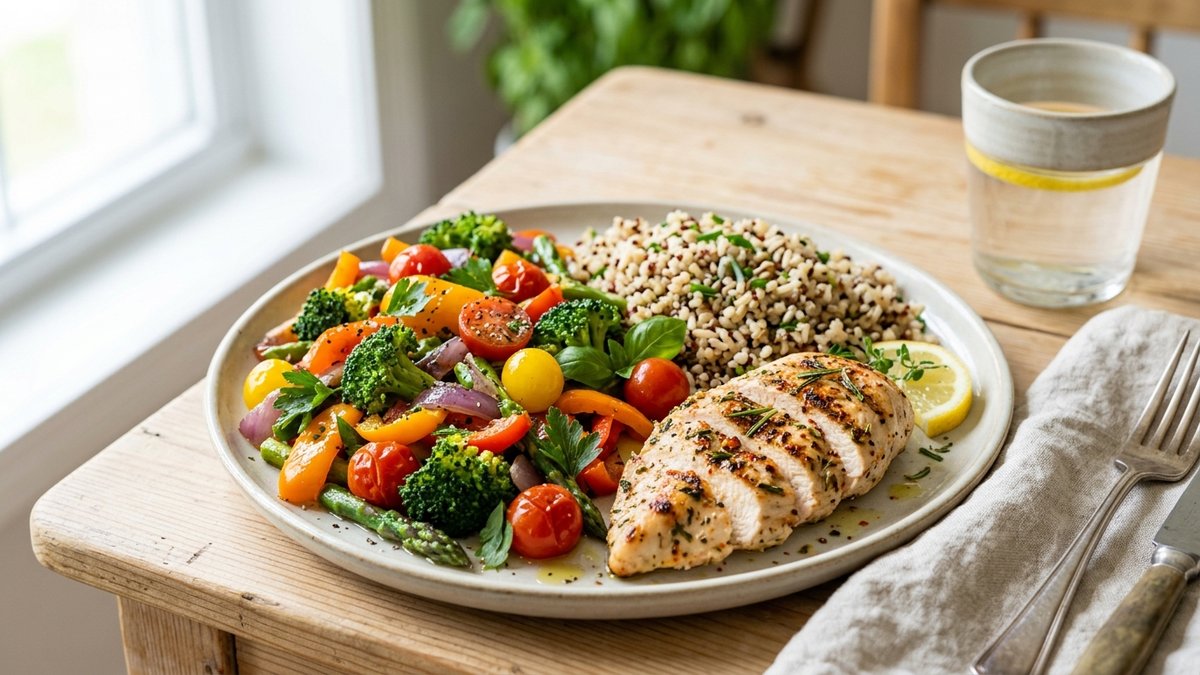
The first step is noticing which kind of hunger you are dealing with. Physical hunger builds gradually. It shows up 3-4 hours after a decent meal, it is open to almost any food, and it fades once you have eaten enough. Emotional hunger tends to arrive suddenly, points at one specific food (usually something crunchy, sweet or salty), and keeps going even when you are full.
Try this 3-question check before you open the cupboard:
- When did I last eat a real meal? If it was under 2 hours ago, hunger is less likely to be the driver.
- Would a plain meal sound good? If only chocolate or crisps will do, that points to a craving rather than hunger.
- What am I feeling right now? Name it in one word: stressed, bored, lonely, wound up, flat.
The check takes under 90 seconds, and it does not ask you to avoid the food. It only creates a gap between the feeling and the fork, and that gap is where most of the useful work happens.
What Helps With Emotional Eating in the Moment
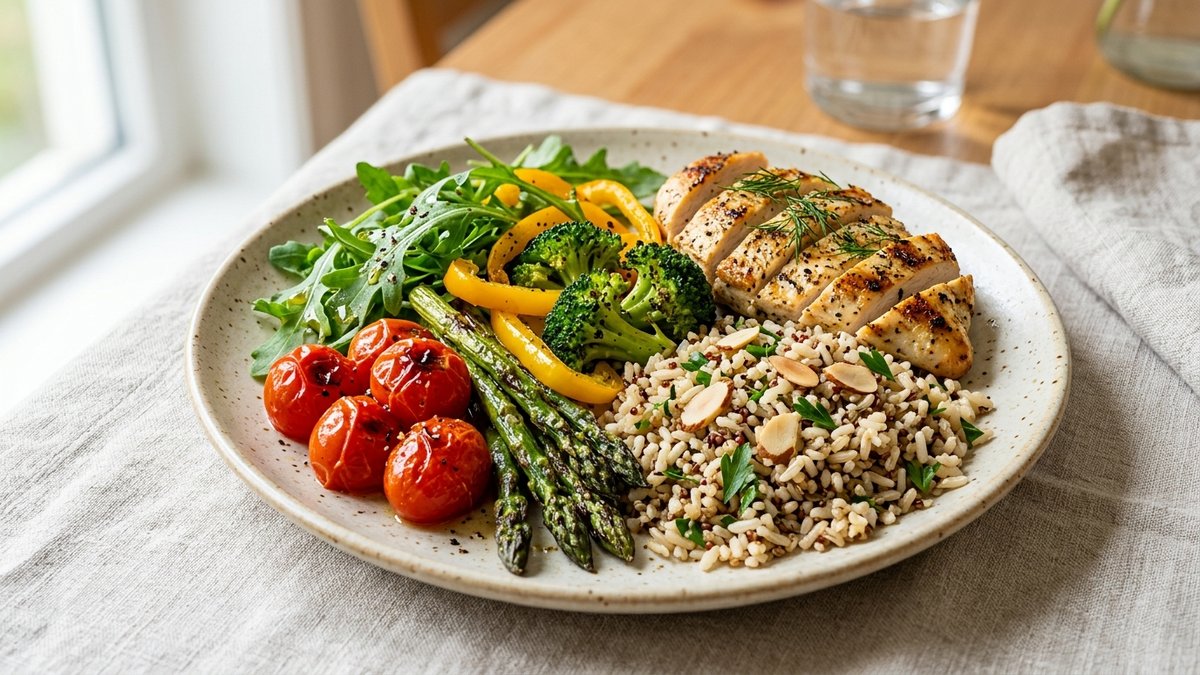
When a craving hits, the goal is not to win a fight. It is to give the urge room to peak and pass. Cravings often crest and fade within roughly 10-20 minutes, which is why a short delay works better than a stern talking-to.
- Pause for 10 minutes. Set a timer. Tell yourself you can have the food afterwards if you still want it.
- Drink a glass of water or tea. About 250 ml gives your hands and mouth something to do.
- Change the scene. Walk around the block for 5 minutes, step outside, or move to a different room.
- Name the feeling. One sentence on paper or in your phone notes: «I’m anxious about tomorrow’s meeting.»
- Decide, don’t drift. If you still want the food after 10 minutes, put a portion on a plate and sit down to eat it.
Step 5 matters more than it looks. Eating straight from the bag while standing at the counter hides how much you have had. Serving a portion on a plate and eating it at a table with no screen turns an automatic habit into a choice, and that is often the difference between a satisfying snack and a vague sense of regret.
Common Triggers and a Simple Swap for Each
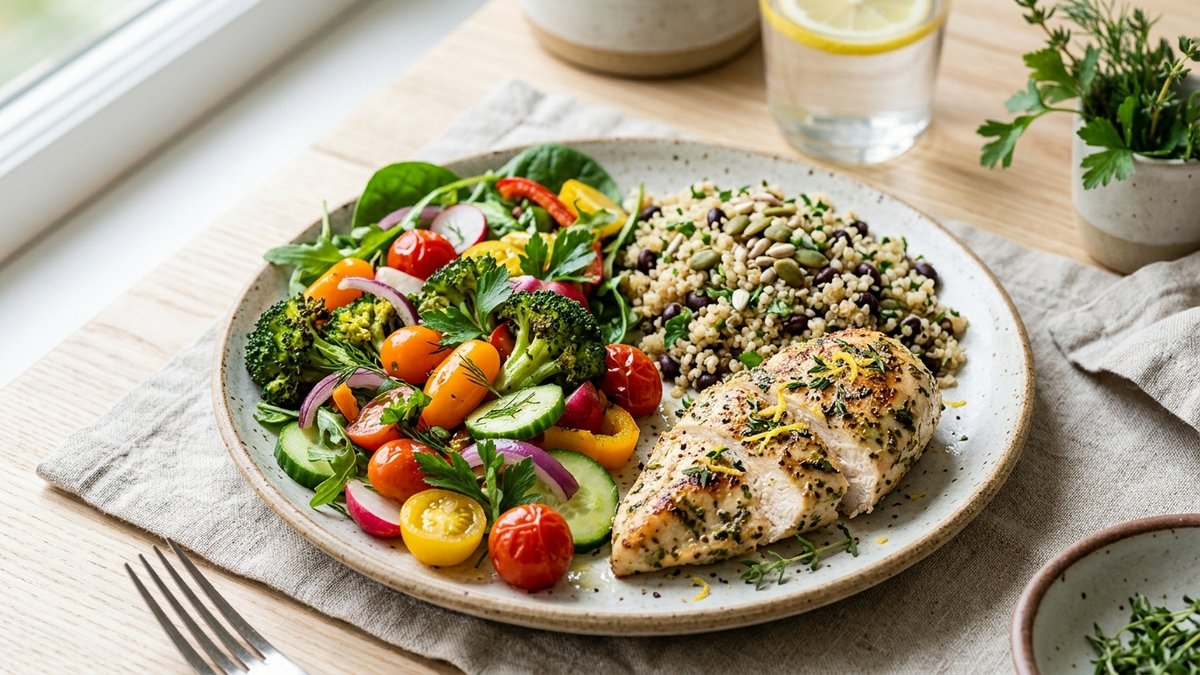
Another useful angle is to look at the pattern, not the single episode. For one week, jot down the time, the feeling and the food whenever you eat without being hungry. Most people find 2 or 3 repeating triggers, and each has a practical swap.
- Stress after work: change clothes, take a 5-minute walk, then cook or reheat a real dinner before snacking.
- Boredom in the evening: start a 15-minute task you enjoy, such as a puzzle, a call to a friend or stretching.
- Loneliness: send one message to someone before you eat. Connection often takes the urgency out of the craving.
- Tiredness: a 20-minute nap or an earlier bedtime beats a third coffee and a bag of biscuits.
- Celebration or reward: pick a non-food reward too, so food is not the only way you mark a good day.
The point of the log is curiosity, not judgment. After 7 days you will usually see that the right response depends on the trigger: a walk for stress, a message for loneliness, a meal for plain hunger. Matching the response to the cause works far better than using the same willpower for all of them.
Why Skipped Meals and Poor Sleep Feed the Cycle
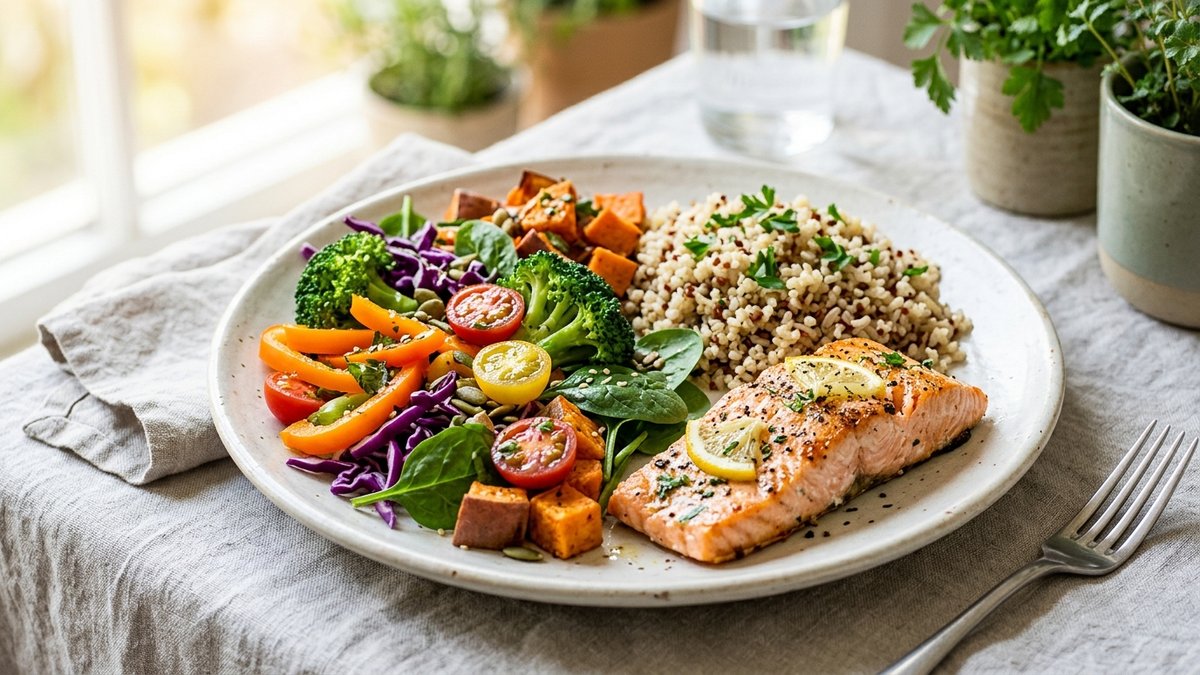
A lot of what looks like an emotional problem starts as a logistics problem. Go 6 hours without a proper meal and you walk into the evening with a hungry body and a stressed mind, a combination that makes any craving louder. Short sleep does something similar: a night under 6 hours tends to leave you more drawn to quick, sugary food the next day.
That is why the most dependable answer is boring and structural:
- Eat 3 meals at roughly regular times, with a planned snack if your gaps run longer than 4 hours.
- Include protein at each meal, around 20-30 g for most adults (roughly a palm-sized serving of fish, chicken, tofu or eggs).
- Aim for 25-30 g of fiber a day from vegetables, beans and whole grains, since fiber slows digestion and helps meals keep you full. Our guide to managing hunger between meals walks through seven ways to do this.
- Protect 7-9 hours in bed when you can.
None of these is a cure, and none of them needs to be perfect. But a stable baseline means fewer moments where stress and real hunger stack on top of each other.
What Helps at the Table: Build a Fuller Plate
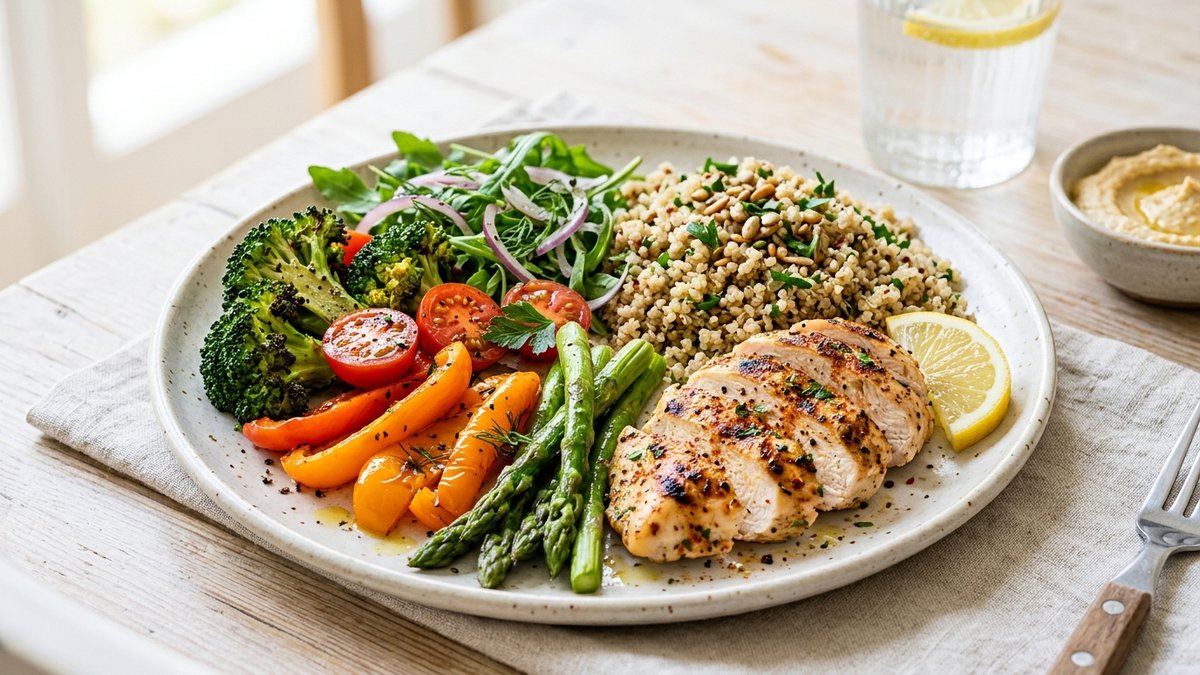
If your main meals leave you hungry again 90 minutes later, snacking for comfort becomes much more likely. At mealtimes, the simplest fix is a balanced plate: fill 50% with vegetables, 25% with protein and 25% with complex carbohydrates such as brown rice, potatoes or whole-grain bread. The vegetables add volume, the protein adds staying power, and the carbs keep energy steady. If calorie density is new to you, see calorie density explained for why volume matters.
Portion size plays a part too. Restaurant plates and oversized bowls nudge you to eat more than you planned, which can set up an «I’ve already blown it» spiral that feeds emotional eating. Our look at restaurant portion sizes vs home shows how quickly a serving can drift, and the no-count method for portion control explains how to manage portions without tracking a single calorie.
Where you keep tempting foods matters as well. Move trigger snacks out of sight, put fruit and pre-cut vegetables at eye level, and buy single servings of the foods you tend to overeat. That is not restriction, it is just making the easy choice a little easier.
Where the Portion Plate Fits In
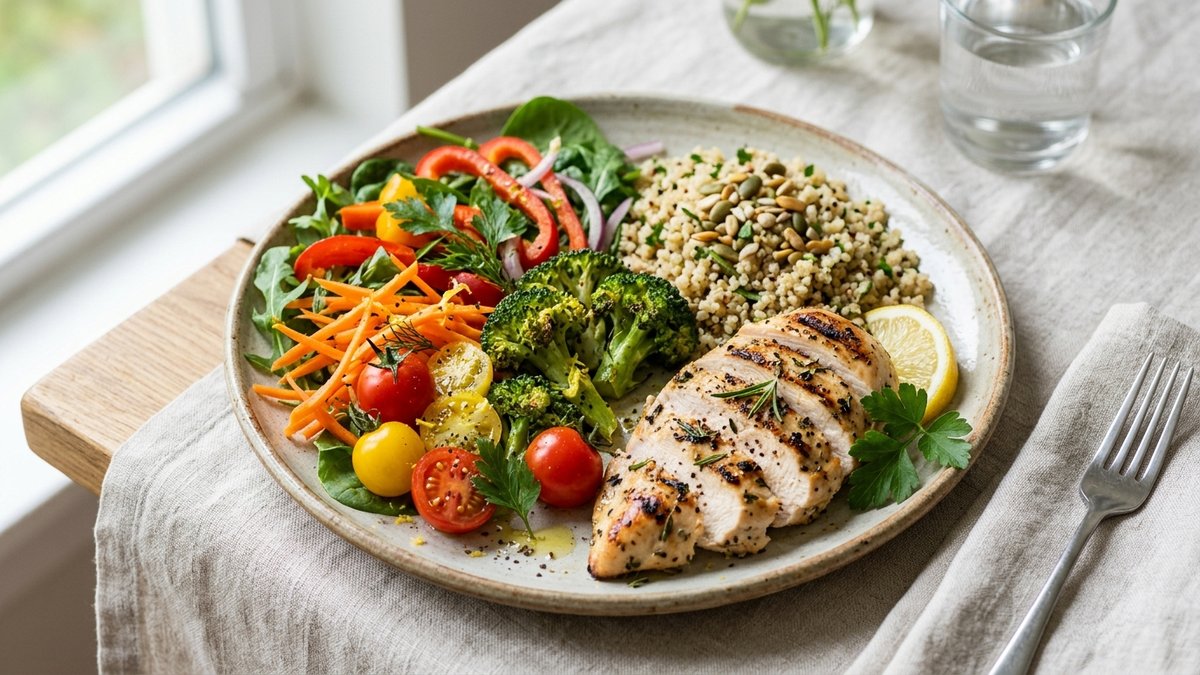
A portion-control plate takes the guesswork out of the 50/25/25 split. The sections are printed right on the plate, so you do not have to count, weigh or log anything, which is useful on exactly the kind of tired, stressed evening when emotional eating is most likely. It will not fix a stressful week, and it is not a weight-loss promise. What it does is make a balanced, properly sized meal the default so you start from a satisfying place. You can see how it works on the Portion Plate product page.
Stress is only one piece. If you notice your eating is tied to low mood, binge episodes, or a lot of shame afterwards, your GP, a mental-health professional or a registered dietitian who works with eating behavior can offer support that no plate can.
Frequently Asked Questions
Is emotional eating a disorder?
Not by itself. Most people eat for comfort now and then. It becomes worth getting help when it feels out of control, happens most days, or comes with intense guilt or distress. Binge eating disorder is a separate diagnosis that a qualified professional can assess.
What helps emotional eating at night?
Eat a proper dinner with protein and vegetables, then set a clear end to the kitchen evening: brush your teeth, make a herbal tea, and use the 10-minute pause if a craving shows up. Going to bed on time also takes away many late-night triggers.
Should I ban comfort foods?
Usually no. Strict bans tend to make the food more tempting. A better approach is to allow a planned portion, serve it on a plate and eat it without distraction so you actually enjoy it.
Is there a quick fix for emotional eating?
The quickest tool is the 10-minute pause with a glass of water and a change of scene. It will not remove the feeling, but it often lowers the urge enough that you can choose calmly instead of eating on autopilot.
How long does it take to see a change?
Many people notice the urges feel more manageable within 2-4 weeks of eating regular meals and using a pause, though everyone’s pace differs. Progress is rarely a straight line, and a slip does not erase the practice.
Key Takeaways
- Check the 3 questions: last meal, food specificity, feeling.
- Pause 10 minutes before deciding what to do.
- Eat 3 regular meals with 20-30 g protein each.
- Build plates around 50% vegetables, 25% protein, 25% carbs.
- Seek professional support if eating feels out of control.
Want balanced portions without the counting? The Portion Plate prints the 50/25/25 split right on your dinner plate. See the Portion Plate