 PLATE + FIT
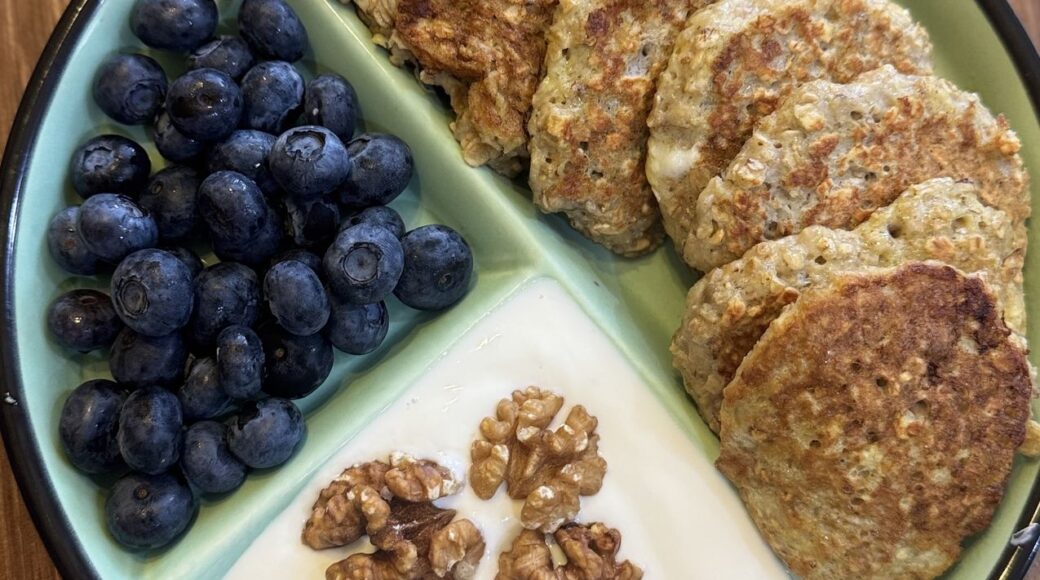
The best healthy snacks for work are the ones that pair protein or fiber with something crunchy or creamy, land between 150 and 250 calories, and survive a few hours in a bag or desk drawer. That is the whole formula. The 15:00 vending-machine run usually happens because lunch ended 4 or 5 hours ago and nothing planned was waiting. This guide gives you 9 desk-friendly picks, the portions that keep them satisfying, and a simple way to stock a week without cooking anything.
What Makes Healthy Snacks for Work Actually Work?
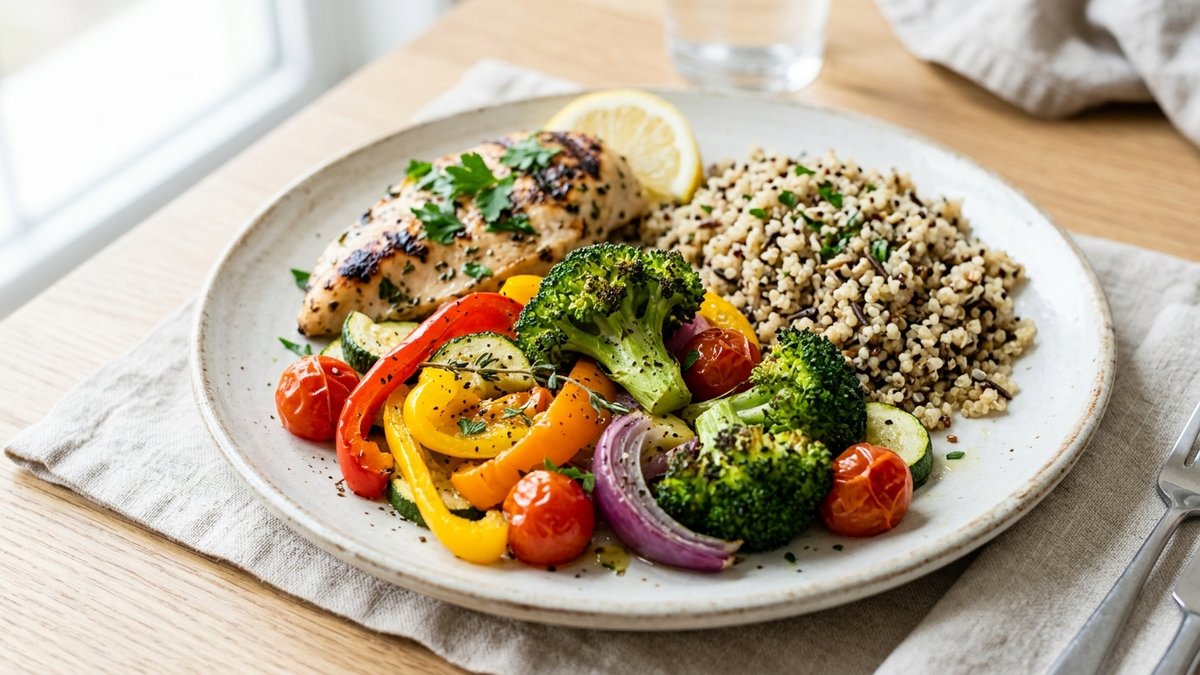
A snack has one job: bridge the gap between two meals so you are not ravenous when the next one arrives. Many people get hungry every 3 to 4 hours while working, which means a mid-morning or mid-afternoon snack is a normal part of the day, not a lapse in willpower.
Three traits separate a snack that holds you from one that vanishes in 20 minutes:
- Protein: aim for roughly 5 to 10 g per snack. It slows digestion and keeps hunger quieter for longer.
- Fiber: 3 g or more is a good target. Most adults land well below the 25 to 30 g a day often recommended, so snacks are an easy place to close the gap.
- Low fuss: if it needs a microwave, a fork and a sink, it will not happen on a busy Tuesday.
Calories matter less than structure here. A snack of 150 to 250 calories fits most days without crowding out lunch or dinner. Anything that is mostly refined sugar, such as a pastry or a sweet latte, tends to digest fast and leave you hunting for another one within an hour.
Fruit and vegetables deserve a spot too. The World Health Organization suggests at least 400 g of fruit and vegetables a day, and a work snack is one of the easiest places to add 100 to 150 g of that without changing your meals.
9 Desk-Friendly Snacks That Keep You Full
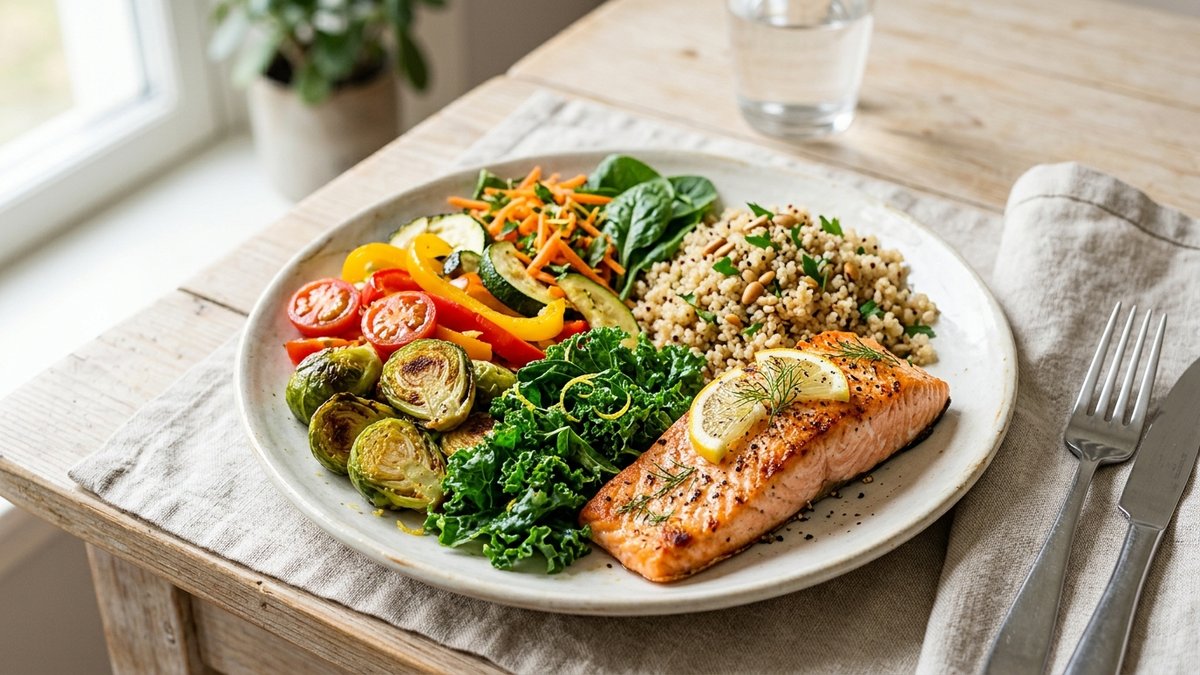
These picks need no cooking, travel well, and most land roughly in the 150 to 250 calorie range at the portions listed. The lighter ones, such as popcorn or cottage cheese, leave room for a piece of fruit.
- Apple plus nut butter. One medium apple (about 180 g) with 1 tablespoon of peanut or almond butter. Crunch, fiber and fat in one go.
- Plain Greek yogurt with berries. About 170 g of yogurt and a handful of blueberries. Choose unsweetened and add your own fruit.
- Hard-boiled eggs. Two eggs give you around 12 g of protein. Boil a batch of 6 on Sunday and they keep for up to a week in the fridge.
- Hummus and carrot sticks. 3 tablespoons of hummus (roughly 45 g) with 100 g of raw carrot, celery or cucumber.
- A small handful of nuts. 30 g is the figure to remember, around 175 to 185 calories for most nuts. Pre-portion them, because eating straight from a big bag makes it easy to triple that.
- Cottage cheese with tomato. 100 g of cottage cheese with a few cherry tomatoes and black pepper. Savory, high in protein, and still light.
- Edamame. About 80 g (half a cup) of shelled edamame, lightly salted. Protein and fiber together, and it works cold from a lunchbox.
- Air-popped popcorn. About 25 g (roughly 3 cups) is a generous volume for around 90 calories. Add a spoon of pumpkin seeds if you want more staying power.
- Whole-grain crackers with cheese. 4 crackers and a 30 g slice of cheese. Reliable, and easy to keep in a desk drawer.
Want something sweet? 20 g of dark chocolate (2 squares) next to a piece of fruit works well. It feels like a treat because it is one, and the portion is already set.
A few swaps make the list above easier to live with. If you avoid dairy, swap the yogurt for a soy version with at least 5 g of protein per serving. If nuts are not allowed in your office, pumpkin seeds work at the same 30 g portion. If you are short on time, an apple and a cheese stick take under 2 minutes and need no prep at all.
Texture matters more than people admit. Crunchy snacks such as carrots, popcorn and crackers take longer to eat, which slows you down and makes a small portion feel bigger. Creamy snacks such as yogurt and hummus feel more like a mini meal. Mixing one of each, say hummus with carrot sticks, gives you both effects in a single 200-calorie snack.
How to Build a Snack That Fits Your Day
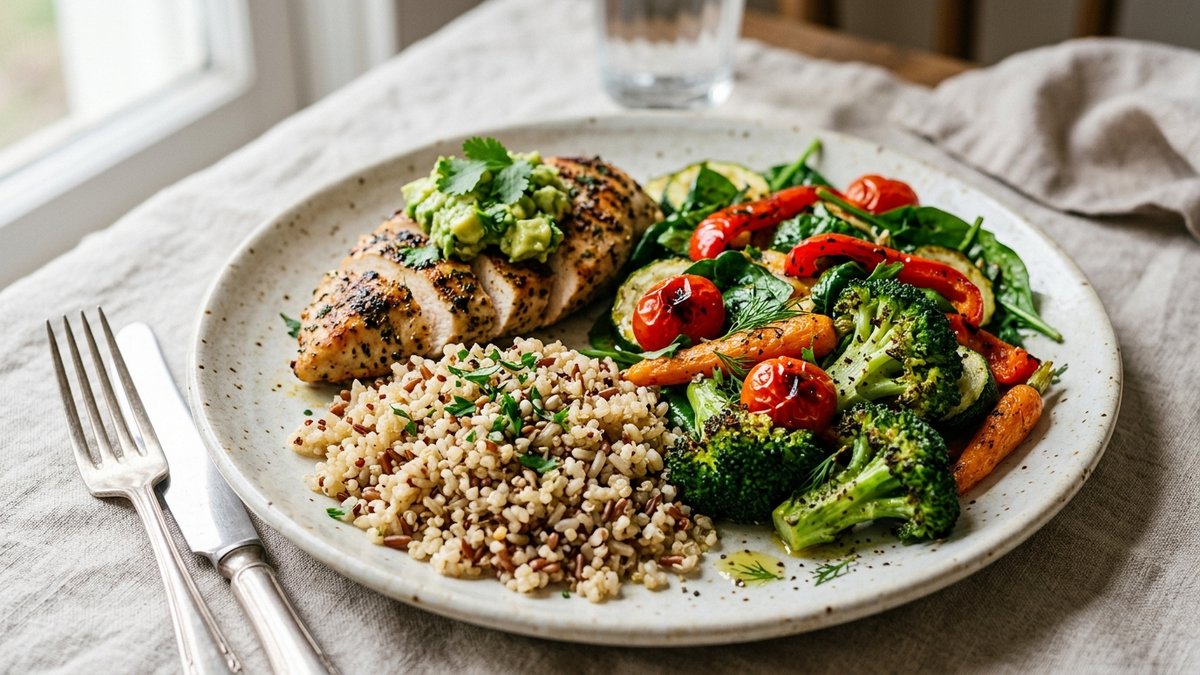
Instead of memorizing lists, use a short pattern you can repeat with whatever is in your kitchen. Pick one item from each of these two groups:
- Protein anchor (about 5 to 10 g of protein): yogurt, an egg, cheese, nuts, hummus, edamame.
- Fiber-rich partner (3 g or more): fruit, raw vegetables, whole-grain crackers, popcorn.
Then check the clock. If lunch was at 12:30 and dinner is not until 19:00, that is a gap of 6.5 hours, and a snack around 15:30 makes sense. If your next meal is 90 minutes away, you can probably skip it, or drink water first and see whether the hunger is real.
Portion size is where most work snacking quietly goes off track. A bag of trail mix can hold 4 or 5 servings, and a handful is easier to overestimate than people expect. Decanting into a small container, around 200 to 250 ml in size, takes the guesswork out. A substantial lunch also shrinks the afternoon gap, and these balanced lunch recipes are a good place to start.
Mind the drinks, too. A flavored coffee or a bottled smoothie can carry 200 to 400 calories without registering as a snack at all. Plain coffee, tea or water next to a real snack usually satisfies you for longer. Snacks only help if they replace the sugary default, not sit on top of it.
Stock a Week of Healthy Snacks for Work in 15 Minutes
Planning beats willpower. Spend 15 minutes on Sunday and you will have snacks sorted for 5 workdays.
- Boil 6 eggs and keep them unpeeled in the fridge.
- Portion 5 bags of nuts at 30 g each, or 5 small tubs of popcorn.
- Cut 500 g of vegetables (carrots, cucumber, peppers) into sticks and store them in a sealed box with a damp paper towel.
- Buy single-serve yogurt or divide a large tub into 170 g portions.
- Keep one shelf-stable option at the office, such as crackers or a nut-butter pouch, for the day the plan falls apart.
Keep the fridge snacks visible and the desk drawer stocked with only the foods you actually want to eat. If the drawer holds sweets, sweets will get eaten. Swap it for the nuts and crackers and your afternoons change without an argument with yourself.
One more habit worth trying: eat your snack away from the screen, even if that means 10 minutes in the break room or beside the window. Eating while answering email makes it easy to finish a bag without noticing, and the snack stops doing its job of giving you a real pause. Choosing a good snack is half food and half routine, and a short break every 3 to 4 hours helps with both.
Where the Portion Plate Fits In
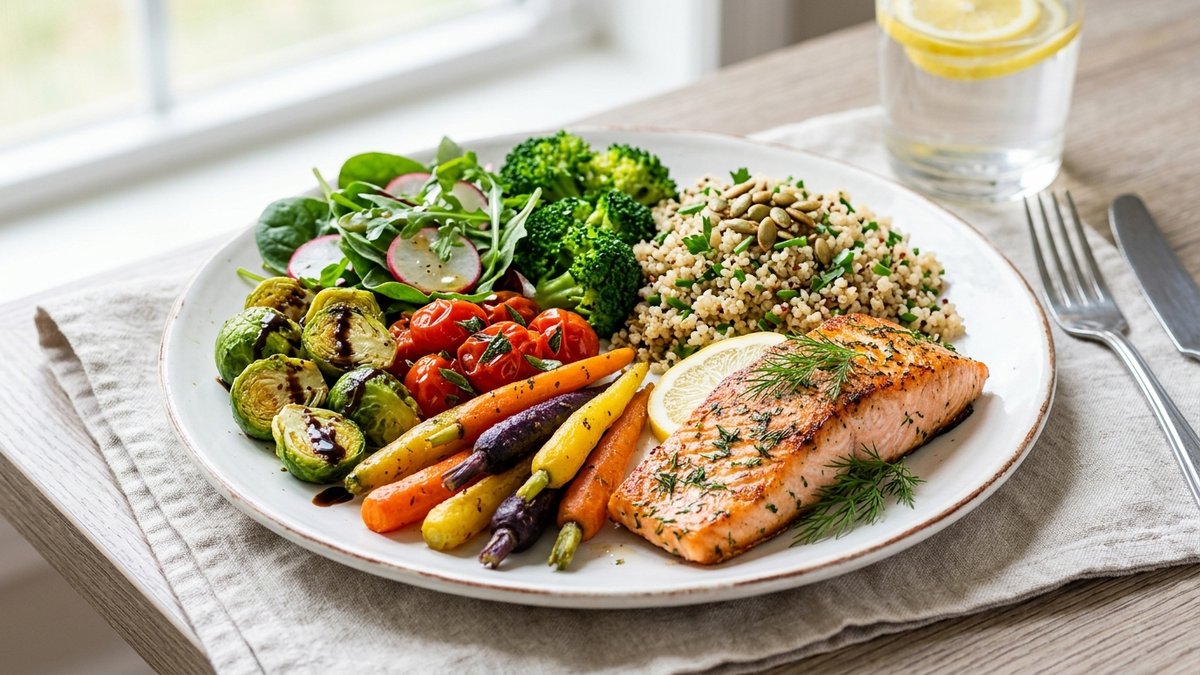
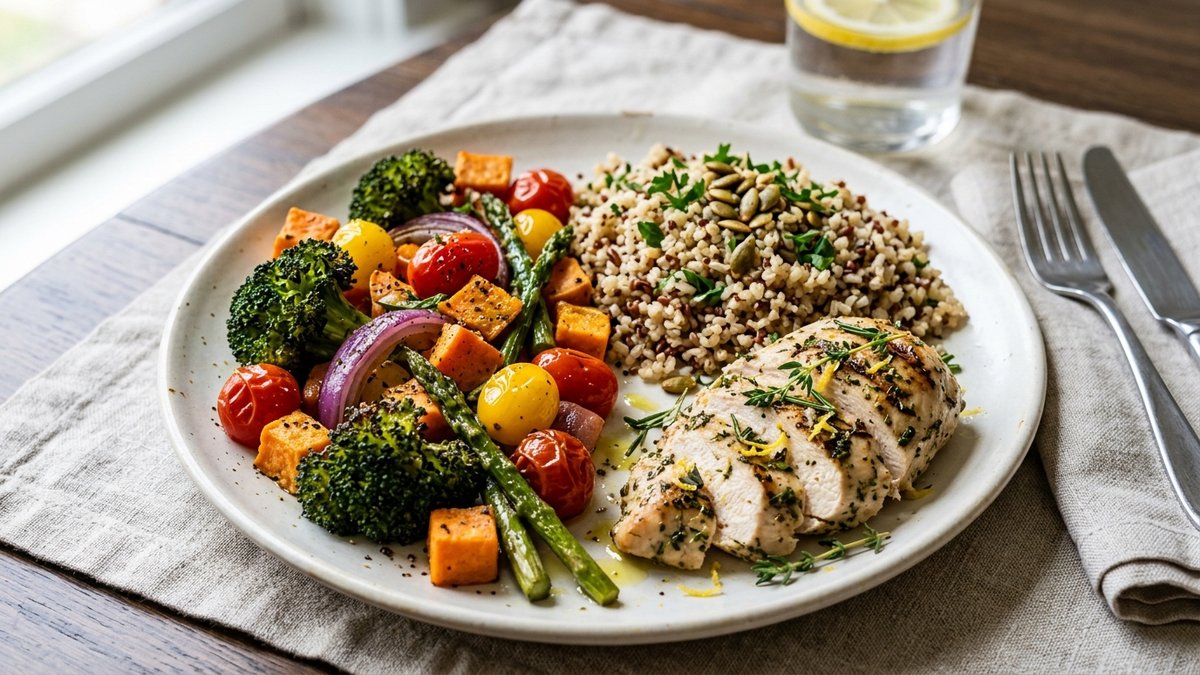
Snacks work best when the meals around them are balanced, and that is where a visual method helps. The Portion Plate is a porcelain plate divided into 50% vegetables, 25% protein and 25% complex carbohydrates, so a balanced lunch is something you see rather than calculate. Eat lunch like that and you tend to carry steadier energy into the afternoon, which makes the snack a planned extra instead of an emergency.
You can also borrow the same logic for snacks. Half of the snack volume from vegetables or fruit, a quarter from protein, a quarter from whole grains: apple slices, a boiled egg and a few crackers fit that pattern neatly. The plate is a portion-control and balance tool, not a diet, and it works for energy and digestion goals as much as weight management.
Frequently Asked Questions
Which snacks work if my office has no fridge?
Nuts, whole-grain crackers, an apple or banana, unsweetened popcorn, nut-butter pouches and roasted chickpeas all keep at room temperature. Pre-portion nuts at 30 g and you have a snack that stays fresh in a drawer for days.
How many snacks should I eat during a workday?
One or two for most people. If lunch and dinner are more than 4 to 5 hours apart, one snack in between is reasonable. If hunger shows up less than an hour after eating, look at whether the meal itself had enough protein and fiber.
How many calories should a work snack have?
A range of 150 to 250 calories suits most adults, though your own needs depend on size, activity and the rest of your day. Use it as a rough guide rather than a strict limit.
Do I need a snack if I am not hungry?
No. A snack is for gaps between meals, not a schedule you must follow. Eat when you notice real hunger, and skip it when you do not.
Key Takeaways
- Pair 5 to 10 g of protein with 3 g or more of fiber.
- Keep snacks between 150 and 250 calories.
- Portion nuts at 30 g before they reach your desk.
- Prep 5 days of snacks in about 15 minutes.
- Balanced lunches make afternoon snacking easier to control.
Make balanced meals easier to spot: see the Portion Plate and the 50/25/25 method.