 PLATE + FIT
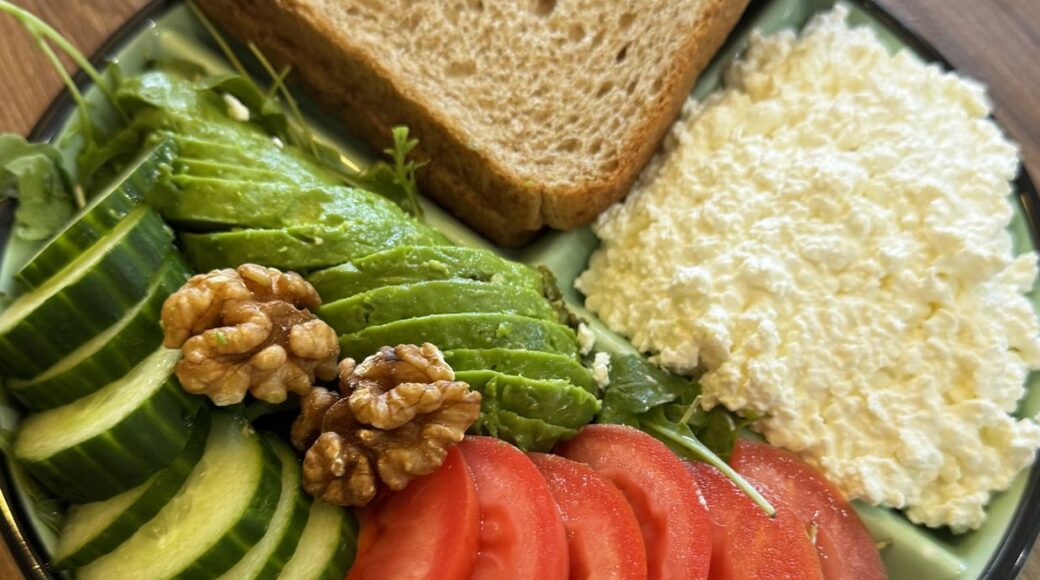
How much is one snack portion, really? Pick up a bag of pretzels or a tub of hummus and the label rarely spells out what a sensible bite looks like once it is on your plate at home. Most people eyeball a snack somewhere between a light bite and a second lunch, and that guesswork is where extra calories quietly pile up between meals. Snack portion sizes stop being guesswork once you know the reference weights nutrition labels are built around: a small handful of nuts is close to 28 g, a single-serve yogurt cup is nearer 150 g, and a fistful of crackers lands around 30 g. This guide walks through what a realistic snack looks like in grams, why getting the size right matters for your energy through the day, and how to eyeball it at home without a kitchen scale.
What Counts as One Snack Portion?
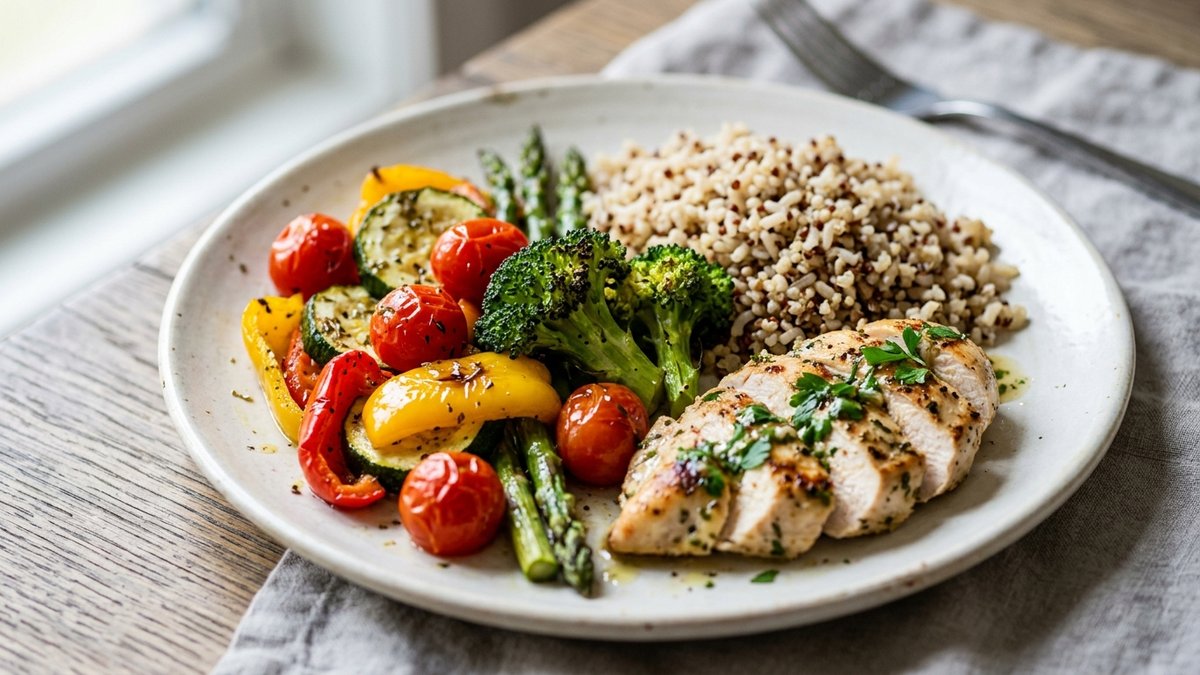
A snack portion size is not the same as “whatever fits in your hand.” Food labels are built around standardized reference amounts assigned to each food category, so portions are comparable across brands regardless of who makes the product. For salty snacks like chips, pretzels, and crackers, that reference amount is 28-30 g, which usually works out to about 15-20 crackers or roughly 12-15 chips, depending on thickness. For nuts and seeds, the reference amount is 28 g (1 oz) — about a small closed handful, or roughly 23 almonds, 18 cashews, or 14 walnut halves. Cheese follows the same 28 g mark, close to the size of two dice or a single string-cheese stick.
Dried fruit runs a little higher, around 40 g, since it packs more natural sugar and fewer calories per gram than nuts do. Yogurt sold as a snack usually comes in a 150 g single-serve cup — that is the number to look for if you are portioning out of a larger tub instead of a pre-packaged one. Thinking in snack serving sizes in grams instead of a vague handful removes most of the variation, since one person’s handful can be 50% larger than another’s depending on hand size. None of these figures are strict rules; they are simply the sizes labels and nutrition guidance are built around, which makes them a useful, consistent starting point instead of a guess.
Why Snack Portion Sizes Matter for Your Day
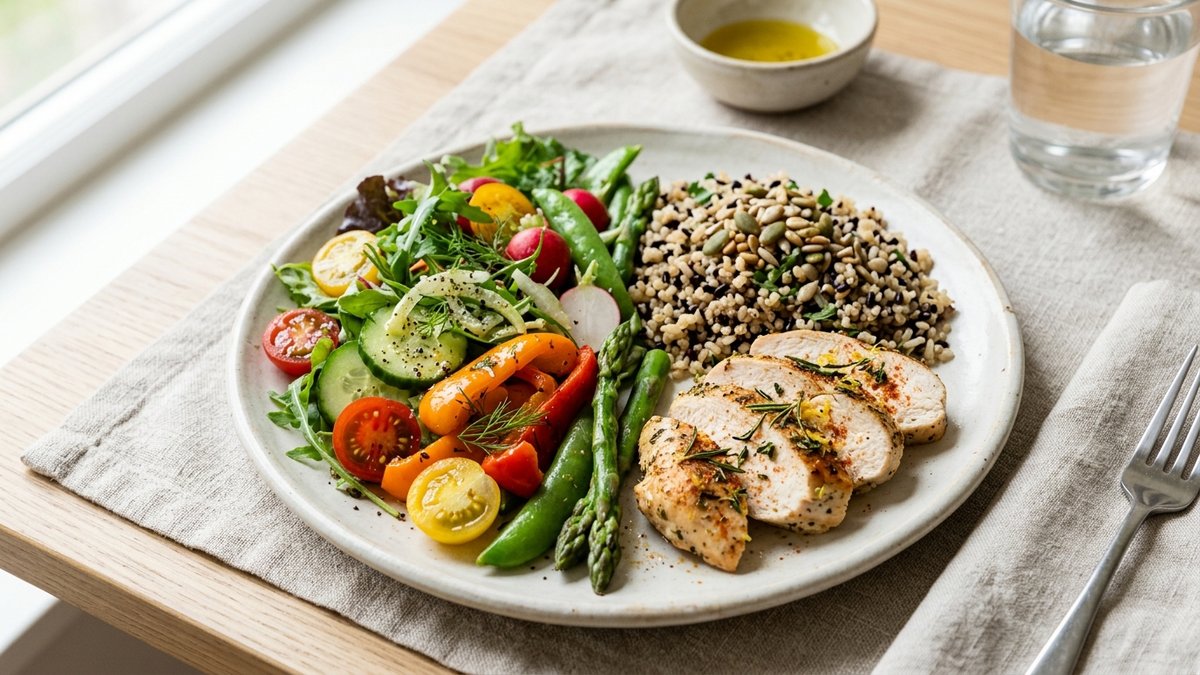
Getting the size of a snack right is not about restriction. It is about making sure a snack does its actual job — steadying your energy between meals — without quietly turning into an unplanned second meal. A snack in the 150-200 kcal range is usually enough to bridge a 3-4 hour gap without leaving you starving before your next meal. Go much past 300 kcal on a regular basis and you are often eating meal-sized amounts without meal-sized structure: little fiber, little protein, mostly refined carbohydrate.
The right size shifts a bit with context:
- Mid-morning or mid-afternoon snack: 150-200 kcal, spanning a 3-4 hour gap
- Pre-workout snack: 100-150 kcal, eaten 30-60 minutes ahead
- Evening snack: 150-250 kcal, within about 2 hours of a lighter dinner
- Kids’ snack: 100-150 kcal, since a smaller body needs a smaller bridge between meals
Protein and fiber change how far that portion stretches, which matters more than the exact gram count. Aim for roughly 5-7 g of protein or at least 3 g of fiber in a snack and it tends to hold you longer than the same calories from refined carbohydrate alone — a 28 g portion of cheese or a 150 g yogurt cup both land in that protein range, and a 30 g portion of nuts adds 2-3 g of fiber alongside the protein. If you want the fuller picture of how protein portions scale across a whole day, not just snacks, how much protein per meal walks through the numbers meal by meal, so a snack’s 5-7 g sits in context next to the 20-30 g you might target at lunch or dinner.
Snack Portion Sizes in Grams: A Quick Reference
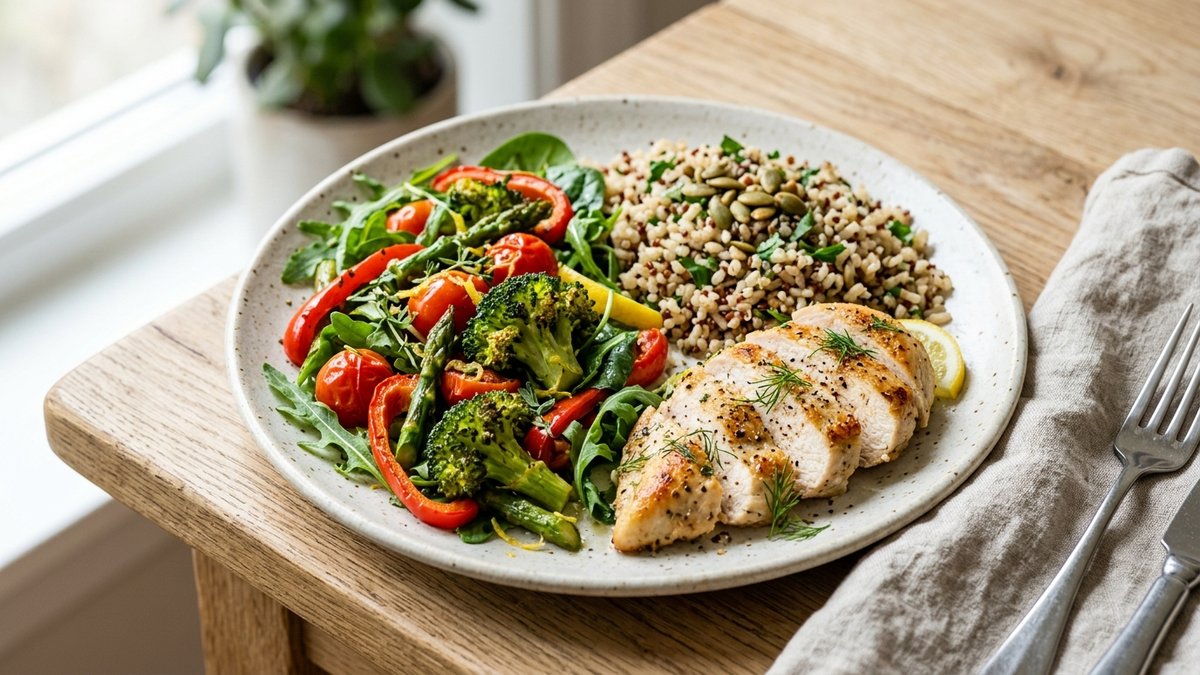
Rather than memorizing a rule, it helps to see the actual weights side by side. These are the reference amounts most nutrition labels and dietary guidance are built around:
- Mixed nuts: 28 g, about a quarter cup
- Pretzels: 30 g, roughly 20 twists
- Popcorn: 28 g unpopped kernels, popping out to about 3 cups, near 100 kcal
- Hummus with vegetables: 30 g hummus (about 2 tbsp) with 100 g raw vegetables
- Greek yogurt: 150 g, one single-serve cup
- String cheese: 24-28 g per stick
- Peanut butter on toast: 32 g peanut butter (2 tbsp) on one slice of whole-grain bread
- Dark chocolate: 20-28 g, about 3-4 small squares
- Trail mix: 30 g, roughly a quarter cup
- Whole fruit: one medium apple (about 180 g) or one medium banana (about 120 g)
- Crackers: 30 g, about 15-18 crackers depending on the brand
Package labels do not always make this easy to picture, since “one serving” and “one bag” are often different things. A 42 g snack bag can list itself as 1.5 servings, which quietly puts the true reference amount closer to 28 g even though the whole bag looks like a single snack. How to read a nutrition label in under a minute walks through exactly where to find that number, so the figures above map onto whatever is actually sitting in your cupboard rather than the marketing on the front of the bag.
Building a Balanced Snack Plate
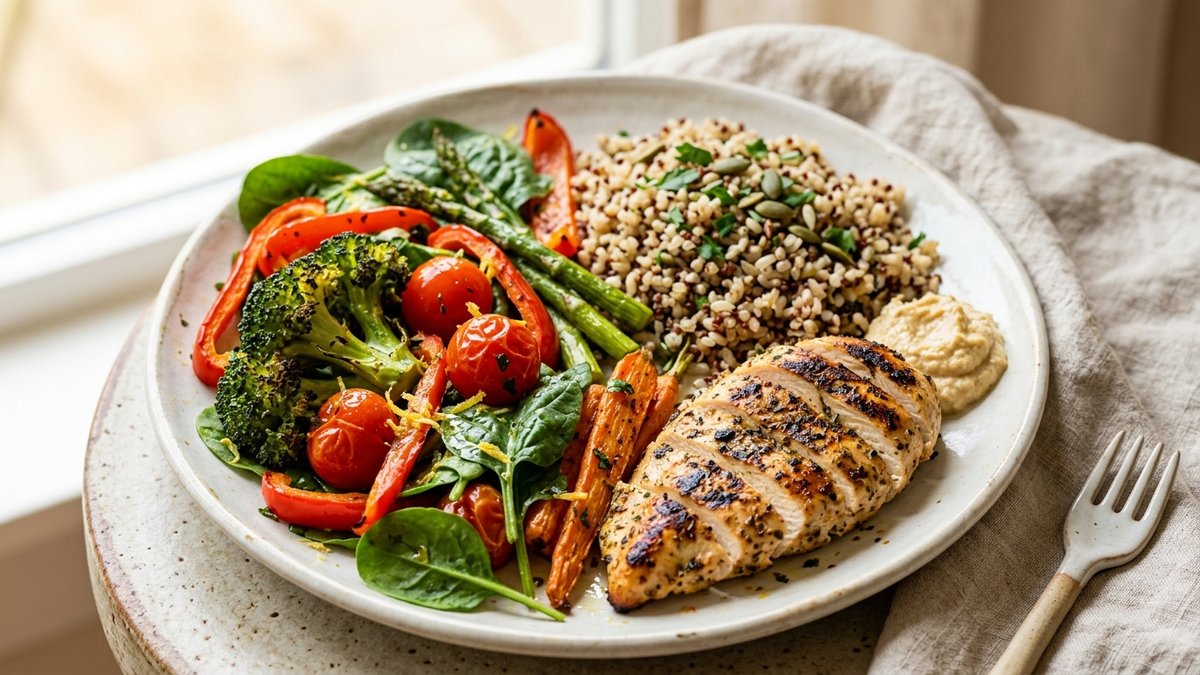
The same proportional thinking behind the healthy plate method scales down neatly to snack size. Instead of tracking a dozen separate gram figures, split a snack roughly between something with volume — raw vegetables or fruit — and something with staying power, such as a 28 g portion of protein or healthy fat. The healthy plate method explained breaks down where that 50/25/25 split comes from at meal size, and the same logic works at snack size once the portions are scaled down proportionally rather than eyeballed from scratch.
If measuring by eye still feels unreliable, a portion-control plate divided into those same proportions works just as well for a smaller snack plate. Line cucumber and pepper strips along the largest section, and a 28 g portion of nuts or cheese in one of the smaller ones, and the sizing is already done before you pick up a fork. A single small plate built this way tends to land close to the 150-200 kcal range on its own, without needing to check a single number.
FAQ: Snack Portion Sizes
How much is one snack portion in grams?
Most single snack portions fall between 28 g and 40 g for concentrated foods like nuts, cheese, and dried fruit, and closer to 150 g for a yogurt or fruit-based snack. Check the “serving size” line on the label, since 30 g of crackers looks very different from 30 g of chips depending on density.
How many calories should a snack be?
Most guidance points to 150-200 kcal for a between-meal snack, enough to bridge a 3-4 hour gap without functioning as a second meal. A pre-workout snack can sit lower, around 100-150 kcal, eaten closer to training time, while an evening snack can run a bit higher at 150-250 kcal.
What is a healthy portion size for weight management?
The portion size itself does not really change for weight management — the mix does. A snack built around a 28 g portion of protein or healthy fat plus 100 g of raw vegetables or fruit tends to feel more filling per calorie than the same calories from refined carbohydrate alone.
Do package serving sizes reflect a healthy snack portion?
Not always. Reference amounts of 28-30 g for most packaged salty snacks are set for label comparability, not nutrition advice, and some bags list 2-3 servings per package. Check the total before assuming the whole bag is one portion.
How can I measure snack sizes without a scale?
A closed fist is roughly 150 g, close to a yogurt cup or a piece of fruit. A cupped palm is near 28-30 g of nuts or crackers, and two stacked fingers approximate a 28 g slice of cheese. These are estimates for a quick check, not exact measurements — weigh a few snacks the first time or two to calibrate your eye.
Key Takeaways
- Salty snacks: 28-30 g is one real portion, not a loose handful
- Nuts, seeds, cheese: 28 g (1 oz) is the standard reference amount
- Yogurt and fruit-based snacks: closer to 150 g per portion
- Aim for 150-200 kcal to bridge meals without overeating
- Pair a 28 g portion of protein or fat with 100 g of vegetables or fruit
- Check “servings per container” — one bag can hide 2-3 portions
Eyeballing the right size gets a lot easier with the proportions already built in. A portion-control plate keeps the same visual split used at dinner in view at snack time too, so there is no scale to reach for between meals.