 PLATE + FIT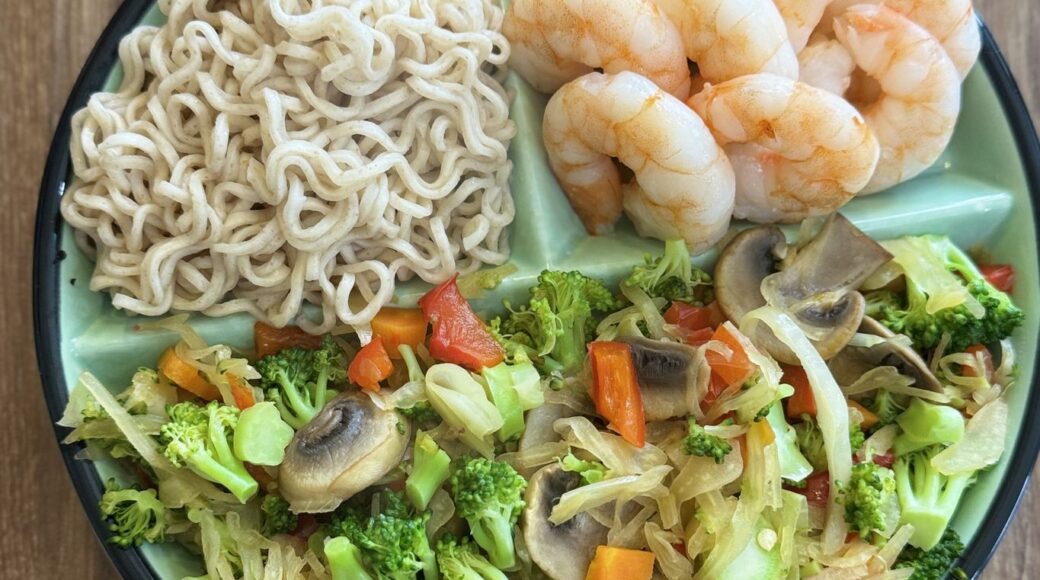
Order the same dish at a restaurant and at home, and you’re rarely eating the same amount. Restaurant portion sizes vs home servings can differ by a wide margin — sometimes two or three home-cooked portions arrive on a single plate, wrapped into one check and one sitting. That gap isn’t an accident; it’s shaped by kitchen economics, plate design, and decades of creeping serving sizes. In this article you’ll see exactly how far apart the two have drifted, using real published comparisons rather than guesswork. You’ll also learn why the gap keeps widening, and pick up simple, no-scale ways to gauge a realistic portion whether you’re at a table for two or plating your own kitchen counter. None of this is about eating less for the sake of it — it’s about knowing what’s actually on the plate in front of you, so the choice to finish it, box it, or share it is an informed one.
Restaurant Portion Sizes vs Home: The Real Numbers
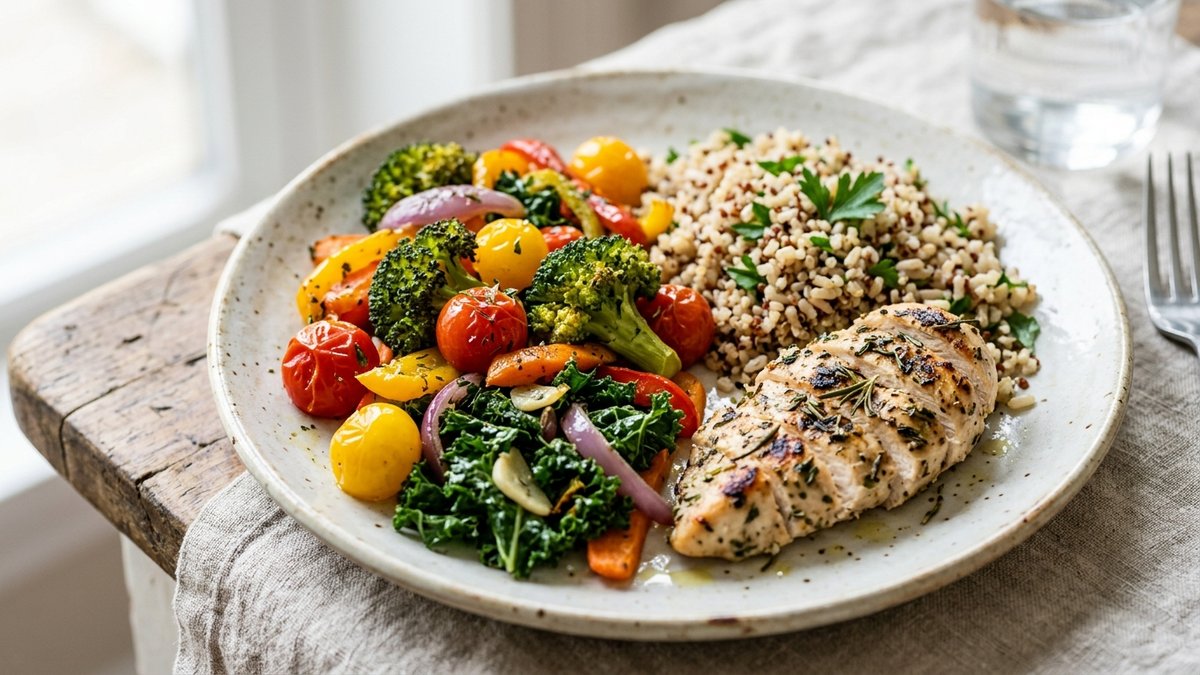
Federal nutrition-education materials have tracked how common foods have grown over the past 20 years, using matched pairs of “then” and “now” servings. A plain bagel went from a 3-inch, 140-calorie roll to a 6-inch, 350-calorie one — more than double the size on the same breakfast plate. A soft drink poured at 6.5 ounces and 85 calories a generation ago now more commonly appears at 20 ounces and 250 calories. French fries grew from a 2.4-ounce side (210 calories) to a 6.9-ounce one (610 calories), and a plate of spaghetti with meatballs went from about 500 calories to just over 1,025 calories.
None of these are restaurant-exclusive numbers — they describe the food supply generally — but restaurant kitchens are where the largest version of a dish tends to show up first, because a bigger plate reads as better value to a paying customer. A classic cheeseburger followed the same pattern, growing from roughly 333 calories to about 590. If you’ve come across the healthy plate method before, you already know what a balanced home plate looks like in proportion; the restaurant version of the same meal is rarely built to that same ratio.
Why Restaurant Meals Keep Growing
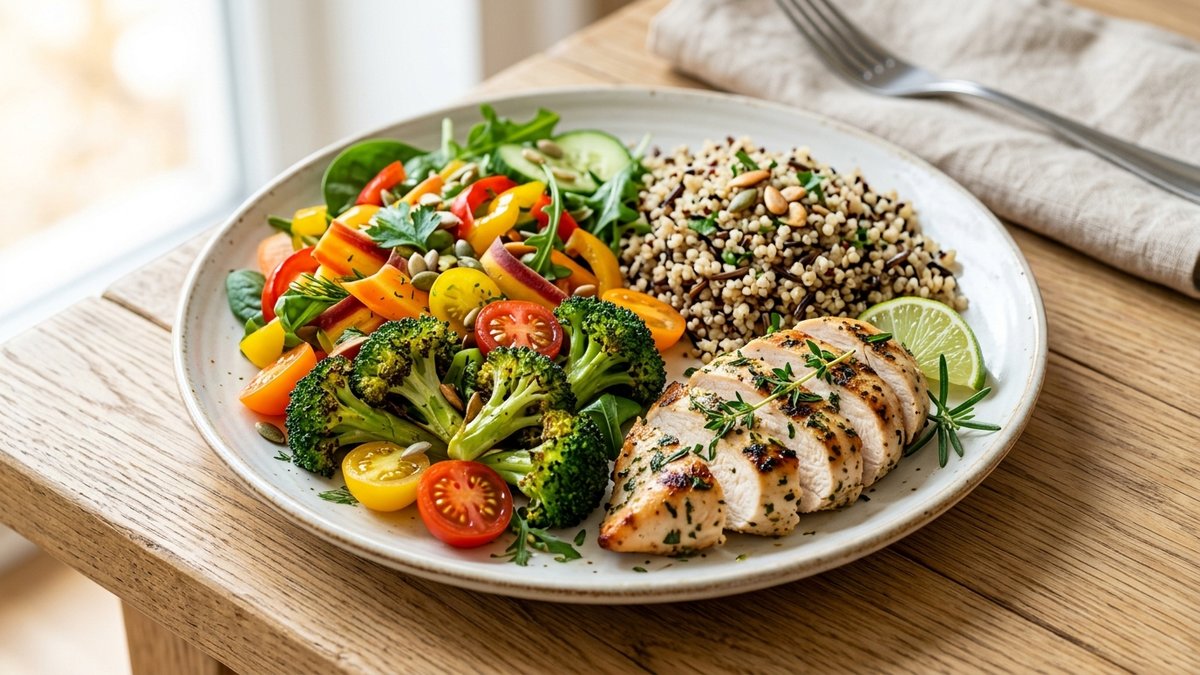
The restaurant portion sizes vs home gap isn’t shrinking on its own. A 2002 review in the American Journal of Public Health, led by researchers Lisa Young and Marion Nestle, compared marketplace food portions against the USDA’s standard reference servings and found some restaurant and packaged items running 2 to 8 times larger than the reference size — cookies, muffins, pasta dishes, and steaks among the biggest gaps.
A few forces explain the pattern. Ingredient costs for many restaurant staples — pasta, rice, bread, fried potatoes — are low per gram, so adding 50-100 more grams to a plate barely moves the food cost while it visibly moves perceived value for the price. Kitchens also standardize around one plate size per dish, so a portion sized for a large appetite ends up served to everyone ordering it. And competition plays a role: once one chain in a category serves a bigger burger or bowl, matching or beating it becomes a menu-design decision.
None of this tracks with how energy-dense a dish actually is — a plate can look modest and still pack in more calories per gram than a bigger-looking one. That’s worth understanding on its own terms; see calorie density explained for how that works independently of the size of the portion in front of you.
How Big Is Too Big? Reading a Restaurant Plate Realistically
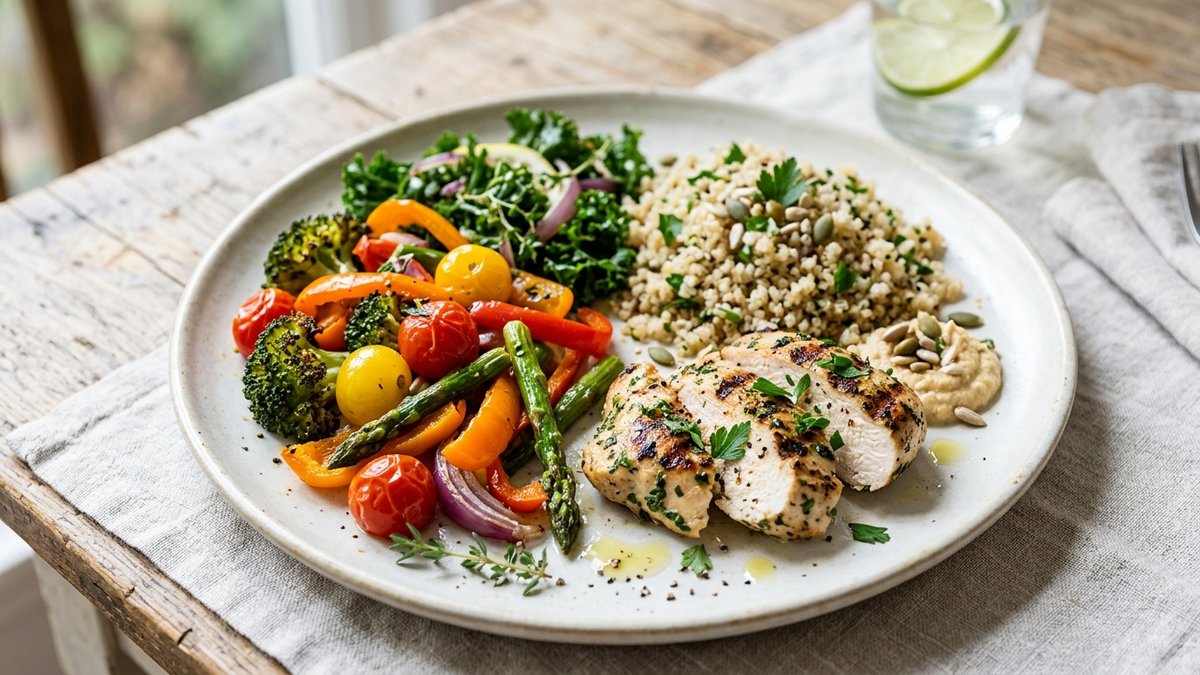
You don’t need a kitchen scale at a restaurant table to get a rough read on a portion. A few hand-based reference points hold up well against a measuring cup:
- A serving of meat, fish, or poultry is roughly the size and thickness of a deck of cards — about 3 ounces (85 grams) cooked.
- A fist-sized portion is close to 1 cup — the size to look for in a serving of rice, pasta, or cooked vegetables.
- A cupped palm holds about 1 to 2 ounces (30-55 grams) — the right range for nuts, cheese, or a starchy side.
- The tip of your thumb is close to 1 tablespoon — useful for oil, dressing, or butter added at the table.
Lay a typical restaurant entrée against those references and the gap is usually obvious: a “grilled chicken” that covers half the plate commonly runs 8-10 ounces, not 3, and a pasta bowl can hold 3 cups or more before any sauce is added. A few practical moves make eating out and eating well compatible:
- Ask for a take-home box when the plate arrives, and move half the meal into it before the first bite — it’s far easier to set a portion aside than to stop partway through.
- Order from the appetizer or small-plates section as a main when the listed size looks closer to what you’d actually plate at home.
- Split one main course between two people and add a side salad or vegetable dish each — this alone often gets a shared meal close to a portion-control plate ratio.
- Ask for sauces and dressings on the side; restaurant dressings commonly run 2-4 tablespoons per serving versus the 1 tablespoon a home-plated salad gets.
None of these steps require finishing less than you’re hungry for — they just move the portion decision earlier, before a jumbo plate makes it for you.
Bringing Portion Awareness Home With the Portion Plate
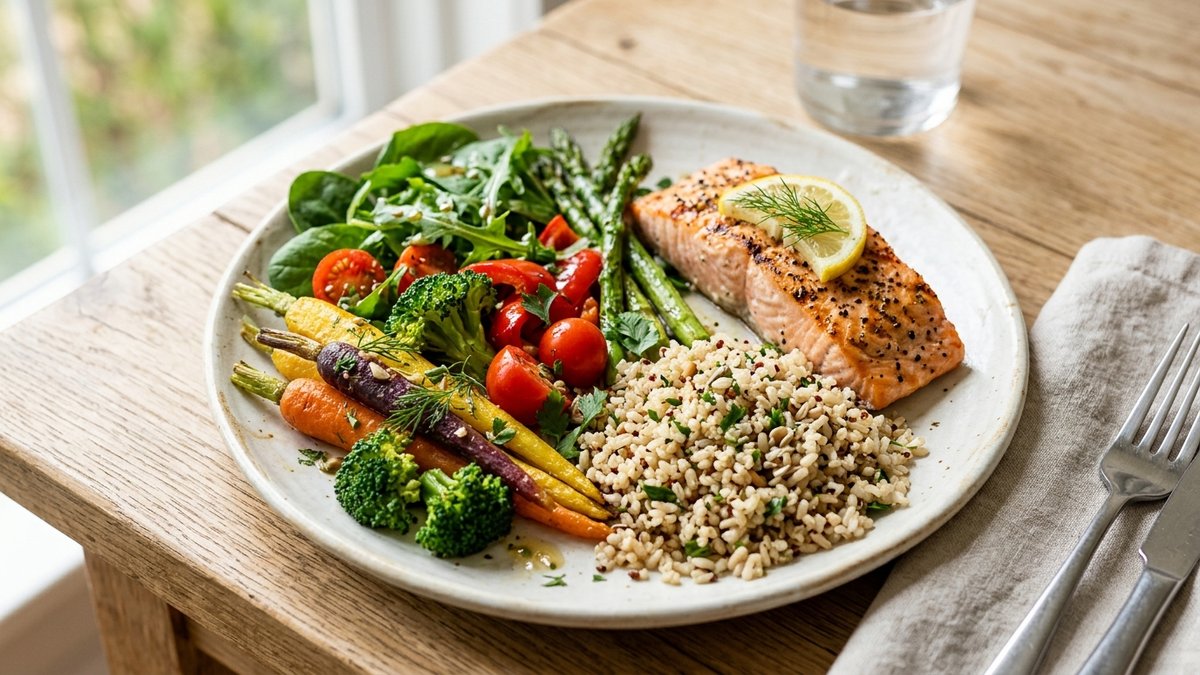
The gap between a restaurant plate and a well-proportioned home plate is exactly what the Portion Plate is built to close on the days you’re cooking for yourself. It’s a porcelain plate marked into three sections — half for vegetables, a quarter for protein, a quarter for whole grains or another complex carb — so the 50/25/25 ratio a restaurant kitchen rarely aims for becomes the default at your own table, no measuring cup required.
This kind of proportion isn’t unique to one product. Harvard T.H. Chan School of Public Health’s Healthy Eating Plate guidance recommends the same half-vegetables, quarter-protein, quarter-grains split, for similar reasons: it’s a portion anchor that doesn’t depend on counting anything.
Eating out will always involve some guesswork about what’s actually on the plate; eating at home doesn’t have to. Use restaurant meals as the occasional exception and let the Portion Plate set the baseline the rest of the week, and the “was that portion too big” question mostly disappears at home — even if it still comes up when you’re out.
Frequently Asked Questions
How much bigger is a restaurant portion than a home serving?
It varies by dish, but published figures put the gap anywhere from roughly double to eight times a standard USDA reference serving. A restaurant soda at 20 ounces is about three times a 6.5-ounce serving from a generation ago, and a large fries portion (6.9 ounces) is close to triple a 2.4-ounce side. Pasta and meat dishes tend to show the widest gap, since a full plate reads as one portion regardless of the ounces on it.
Why do restaurants serve such large portions?
Mostly economics and perception. Bulk ingredients like pasta, rice, bread, and fried potatoes cost little per extra gram, so a bigger plate barely raises food cost while it visibly raises perceived value for the price. Kitchens also plate to one standard size per dish rather than customizing per diner, and once a competitor serves a larger version of a popular item, matching it becomes a menu-design decision as much as a culinary one.
What’s a realistic portion size when eating out?
Use your hand as a rough guide: a deck-of-cards-sized piece of meat or fish is about 3 ounces (85 grams), a fist-sized serving of rice or pasta is close to 1 cup, and a cupped palm of nuts or cheese runs 1-2 ounces. Most restaurant mains run well past these on the protein and starch side, which is normal — the fix is boxing or splitting the extra rather than skipping the meal out.
Should I finish my plate at a restaurant?
Not by default. A restaurant portion is sized for value and presentation, not for one person’s appetite at that meal. Asking for a take-home box before you start, or splitting a main course, moves the portion decision to the beginning of the meal instead of the end, which is easier to stick to than stopping partway through a plate that’s already in front of you.
Does portion size at home matter as much as at restaurants?
More, in practical terms, because it’s the setting you control every day. A restaurant meal happens occasionally; a home plate happens most nights. Building meals around a fixed 50% vegetables, 25% protein, 25% complex-carb ratio — the same proportions behind the Portion Plate — removes the guesswork restaurant meals require, so the handful of times you eat out matter less to the week as a whole.
Key Takeaways
- Restaurant plates commonly run 2-8× a standard reference serving.
- Bulk ingredients make bigger portions cheap to serve, not to eat.
- A deck of cards is about 3 oz (85 g) of meat or fish.
- Box half your entrée before the first bite, not after.
- The Portion Plate keeps a 50/25/25 ratio automatic at home.
Restaurant portions are built for perceived value, not for your actual plate.
The Portion Plate keeps the 50/25/25 ratio automatic every time you cook at home — see the Portion Plate.