 PLATE + FIT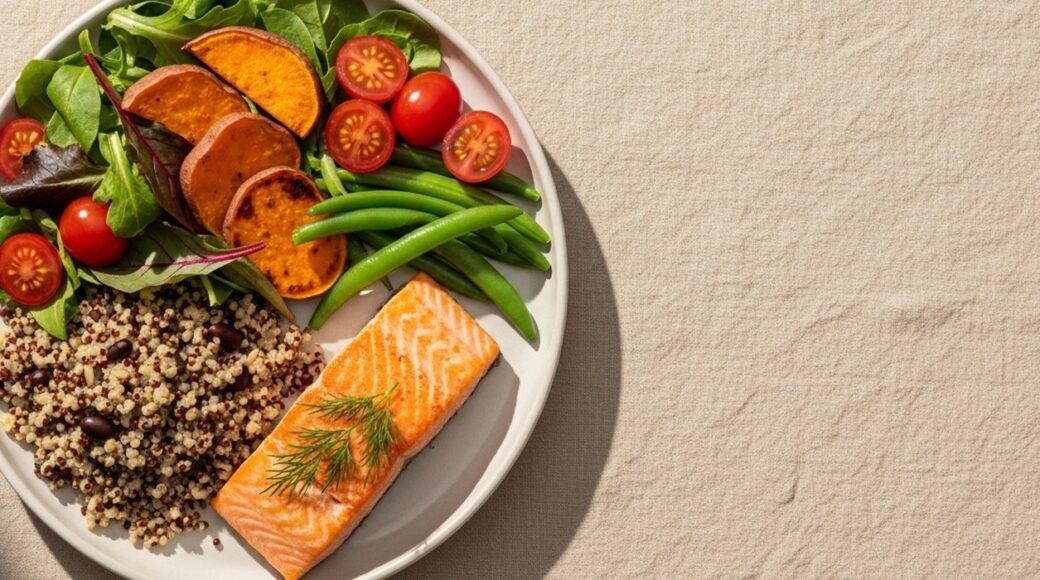
Feeling hungry again an hour after lunch usually comes down to what was missing from your plate, not how much you ate. Fiber is the nutrient most responsible for how long a meal keeps you satisfied, yet most people fall well short of the 25-30 grams a day that actually moves the needle on appetite. Fiber for fullness works through a simple mechanism: it slows how fast your stomach empties, feeds the bacteria that release satiety signals, and adds bulk without adding many calories. Here you’ll find exactly how much fiber you need, which foods give you the biggest fullness payoff per bite, and how to add more without the bloating that scares people off high-fiber eating.
What Fiber Actually Does for Your Appetite
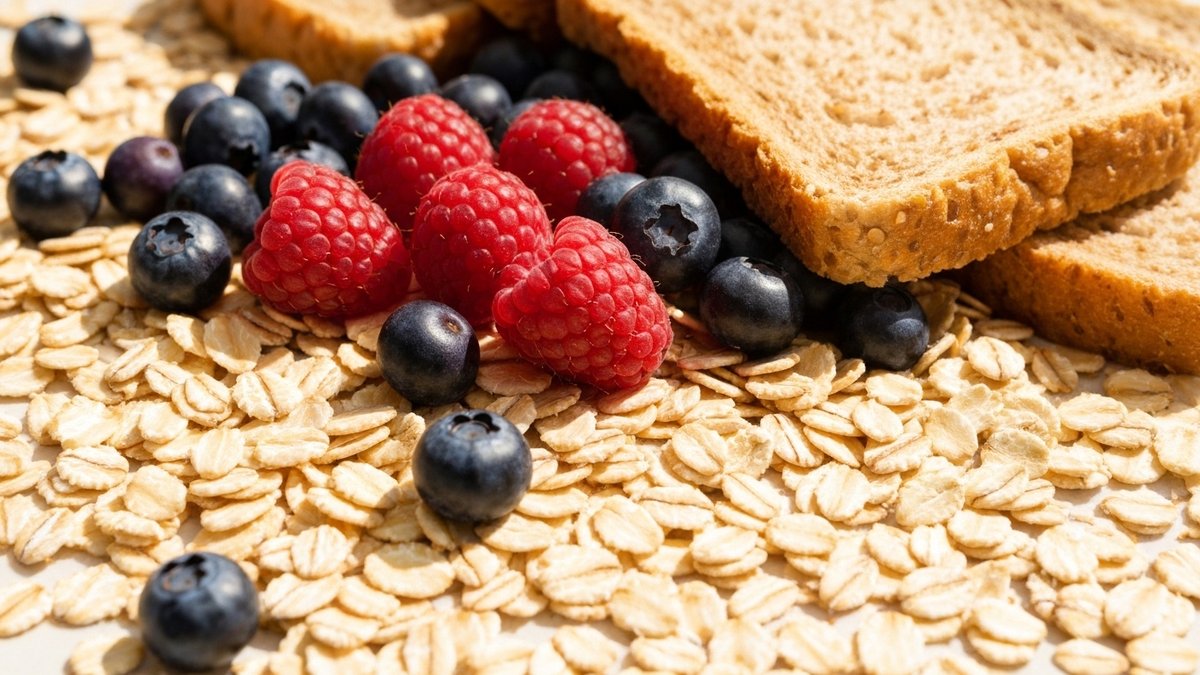
Fiber is the part of plant food your body can’t fully break down. That’s exactly why it matters for hunger: it passes through your digestive tract largely intact, taking up physical space and slowing everything else down with it. There are two broad types. Soluble fiber, found in oats, beans, and apples, dissolves in water and forms a thick gel in your stomach. Insoluble fiber, found in whole grains, nuts, and vegetable skins, doesn’t dissolve but adds bulk and speeds material through your gut.
For appetite specifically, soluble fiber does most of the work. That gel-like texture thickens stomach contents, which physically delays how quickly food moves into your small intestine. The Harvard T.H. Chan School of Public Health notes that high-fiber foods typically take longer to chew and digest, both of which give your brain more time to register that you’ve eaten enough before you’ve overeaten. Their fiber overview is a useful reference if you want the full mechanism.
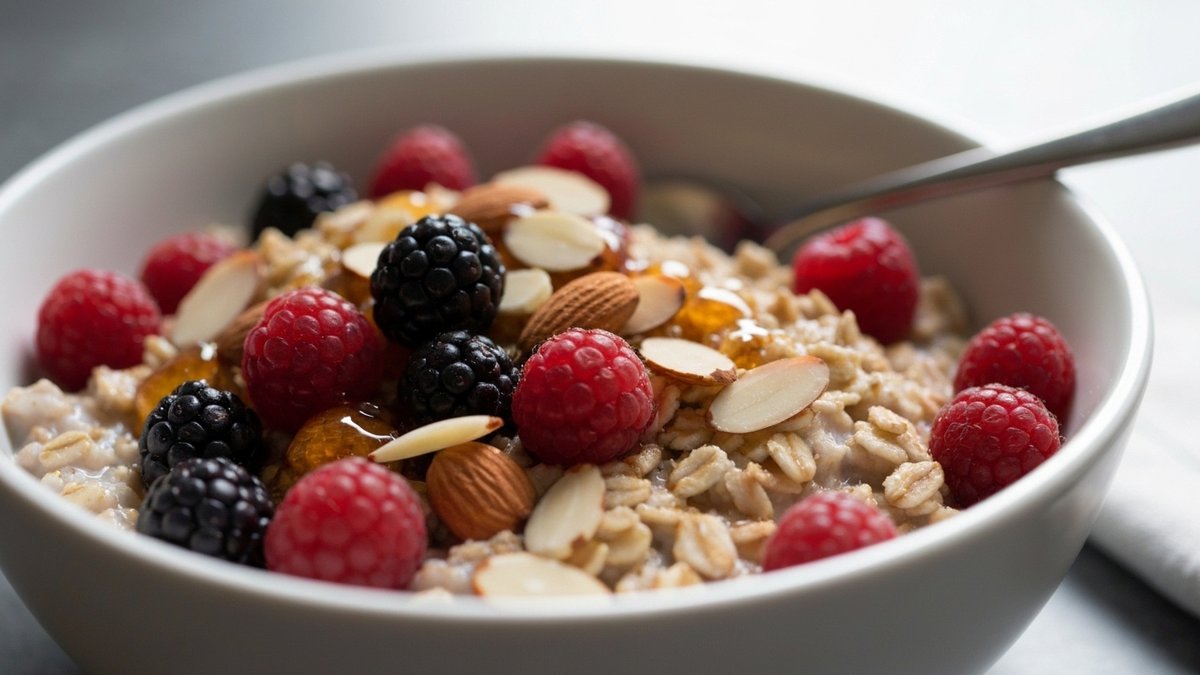
None of this requires an exotic diet. Swapping white rice for lentils, or a plain bagel for oatmeal with berries, changes the fiber content of a meal dramatically without changing much else about how it looks or tastes. Most refined foods have had the fiber-rich bran and skin stripped away during processing, which is exactly why a bowl of instant oatmeal and a bowl of steel-cut oats can feel so different by mid-morning even though the calorie counts are close.
Why Fiber Keeps You Fuller Than Protein or Fat Alone
Protein gets most of the credit for satiety, and it earns it. But fiber works through different pathways, and combining the two produces a stronger effect than either alone. When soluble fiber reaches your small intestine, it triggers the release of hormones like GLP-1 and PYY, the same signals that tell your brain you’re full. A 2019 review in Nutrients found that higher fiber intake was consistently associated with greater feelings of fullness and lower subsequent calorie intake across multiple trial designs. You can read the review here.
A few reasons fiber has this outsized effect on appetite:
- It slows gastric emptying, so food sits in your stomach longer
- It triggers gut hormones that signal fullness to your brain
- It adds volume and weight to a meal without adding many calories
- It feeds gut bacteria that produce short-chain fatty acids linked to appetite regulation
- It requires more chewing, which slows down the pace of eating itself
This is why a bowl of lentil soup and a can of soda can have similar calorie counts but leave you feeling completely different two hours later. Fiber for fullness isn’t a marketing phrase, it’s a measurable digestive and hormonal effect, and it’s one reason two meals with identical calories can leave you satisfied for very different lengths of time.
Consider a typical lunch swap: a white-bread sandwich with deli meat versus a whole-grain wrap with the same meat plus black beans and shredded vegetables. The second option can contain two to three times the fiber for a similar calorie total, and the difference shows up less in the moment and more three hours later, when one version leaves you reaching for a snack and the other doesn’t.
How Much Fiber You Need and Where to Get It
Official guidelines set minimums around 25g a day for women and 38g for men under 50, but most research on appetite specifically points to a slightly higher practical target: 25-30g a day, spread across meals rather than loaded into one. Below roughly 20g a day, the fullness benefit tends to fade, which is one reason low-fiber, highly processed diets leave people hungry despite adequate calories.
A simple way to hit that range without tracking every gram:
- Start breakfast with oats, chia seeds, or a piece of fruit with the skin on
- Add a serving of legumes, lentils, chickpeas, or black beans, to lunch or dinner at least four times a week
- Choose whole or minimally processed grains over refined versions by default
- Keep vegetable skins on where edible instead of peeling them
- Snack on nuts, seeds, or whole fruit instead of crackers or chips
Protein matters here too. Since protein takes up a quarter of your plate in a balanced meal, pairing that protein with a fiber-rich vegetable half rather than a refined starch gives you both satiety mechanisms working together instead of relying on one.
Fiber supplements and powders exist, and they can nudge the number up on a low-fiber day, but they don’t replicate the full effect. Whole foods bring fiber bundled with water, volume, and chewing time, all of which contribute to fullness independently of the fiber itself. A capsule can’t replace the physical bulk of a plate half-full of vegetables and legumes.
Building Fiber Into Your Plate, Automatically
Most people don’t under-eat fiber on purpose, they just don’t have a visual cue for how much space vegetables, legumes, and whole grains should actually take up on a plate. Without that reference point, it’s easy to fill half a plate with a starch and treat vegetables as a garnish, which quietly cuts fiber intake in half.
This is where a plate-based approach helps more than a gram-counting one. Using a portion-control plate with marked sections for vegetables, protein, and complex carbs takes the guesswork out of the vegetable half, the section where most of your daily fiber naturally comes from. Instead of estimating, you fill the marked space and the fiber count follows.
Over a week, that consistency adds up more than any single high-fiber meal does. Hitting the vegetable section at lunch and dinner most days gets you close to the 25-30g range without a single supplement or tracked gram, simply because the plate keeps the ratio honest meal after meal.
Frequently Asked Questions
How much fiber do I need in a day to actually feel full?
Most adults need 25-30 grams a day for a noticeable fullness effect, though official minimums are lower (25g for women, 38g for men under 50). Below about 20g a day, the satiety benefit largely disappears, so the 25-30g range is the practical target if hunger control is your goal.
Does fiber really help you eat less at your next meal?
Yes. Studies tracking food intake after high-fiber versus low-fiber meals consistently show lower calorie intake at the next meal when the first meal included 8-10g or more of fiber, largely because digestion slows and hunger hormones stay suppressed longer.
What foods are highest in fiber for fullness?
Legumes (lentils, chickpeas, black beans), oats, chia and flax seeds, artichokes, raspberries, and pears are among the most fiber-dense common foods, often delivering 5-10g of fiber per serving alongside meaningful volume and chew.
Can too much fiber cause bloating?
Yes, especially if you increase intake quickly. Adding more than 5-10g above your current baseline per week, alongside plenty of water, usually avoids the gas and bloating that come from a sudden jump in fiber intake.
Is soluble or insoluble fiber better for appetite control?
Soluble fiber has the stronger, better-documented effect on fullness because it forms a gel in the stomach that slows emptying. Insoluble fiber adds bulk and supports regularity, so most high-fiber foods that help with fullness contain a mix of both.
Key Takeaways
- Fiber slows digestion, keeping you full for longer
- Aim for 25-30g of fiber daily from whole foods
- Soluble fiber has the strongest effect on fullness
- Pair fiber-rich foods with protein for even better satiety
- Add fiber gradually to avoid bloating
- Filling half your plate with vegetables covers most of your daily fiber
Eyeballing portions makes it easy to under-fill the fiber-rich half of your plate without noticing. See the Portion Plate and make hitting your daily fiber range the default, not something you have to think about.